

Introduction
Spring cleaning can feel refreshing—until you reach that closet, garage, or storage box full of things you can’t seem to throw away.
For many Filipinos and Filipino-American families, letting go of belongings is more than just decluttering. Items often carry memories, sacrifices, and emotional connections that make it difficult to part with them.
You might hear phrases like:
-
“Sayang naman.”
-
“Pwede pa ‘yan.”
-
“May pinagdaanan ‘yan.”
These words reflect something deeper than clutter. They reflect a cultural relationship with possessions shaped by history, family values, and resilience.
Understanding why it’s hard to throw things away can help families approach spring cleaning with empathy rather than frustration.
The Cultural Roots of Keeping Things
Many Filipino families didn’t grow up in environments of abundance.
For earlier generations, especially immigrants, every item represented effort, sacrifice, and survival.
1. A History of Scarcity
Many older Filipinos grew up with limited resources.
During those times:
-
Clothes were repaired instead of replaced
-
Appliances were fixed repeatedly
-
Items were saved because they might be needed later
Throwing things away often felt wasteful.
This mindset naturally carries into adulthood and even into life in the United States, where abundance may exist but the habit of saving things remains.

2. The “Sayang” Mindset
One of the most common Filipino expressions is “sayang.”
It loosely translates to “what a waste.”
For many families, throwing something away can feel like losing value.
Examples include:
-
Keeping old containers because they can be reused
-
Saving clothes that might still fit someone
-
Holding on to broken appliances that might be repairable
While this mindset promotes resourcefulness, it can also lead to homes slowly filling with unused items.
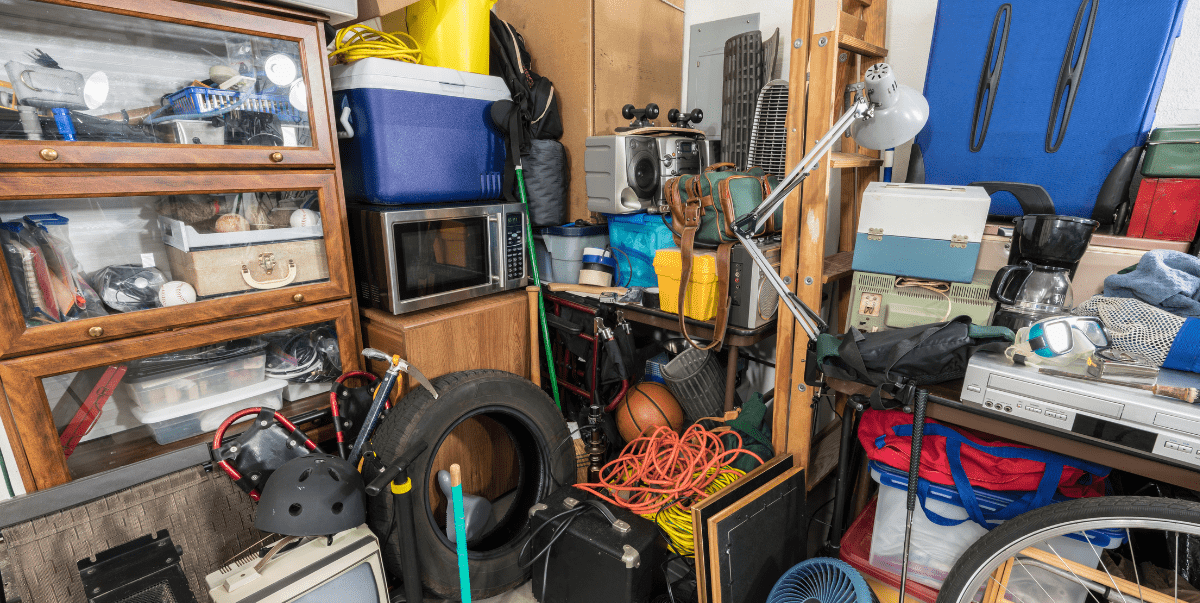
Sentimental Value: Objects Hold Stories
For many Filipinos, belongings are not just objects—they are memory keepers.
3. Gifts Carry Emotional Meaning
Filipinos place strong emotional value on gifts.
Even simple items may represent:
-
A relative who gave it
-
A special celebration
-
A moment in family history
Throwing away the object can sometimes feel like throwing away the memory.
4. Family History Is Preserved Through Items
You may find homes filled with:
-
Old photo albums
-
Religious items
-
Childhood toys
-
Clothes from past decades
These objects often act as connections to family history.
For immigrant families especially, these items can represent their journey, struggles, and achievements.
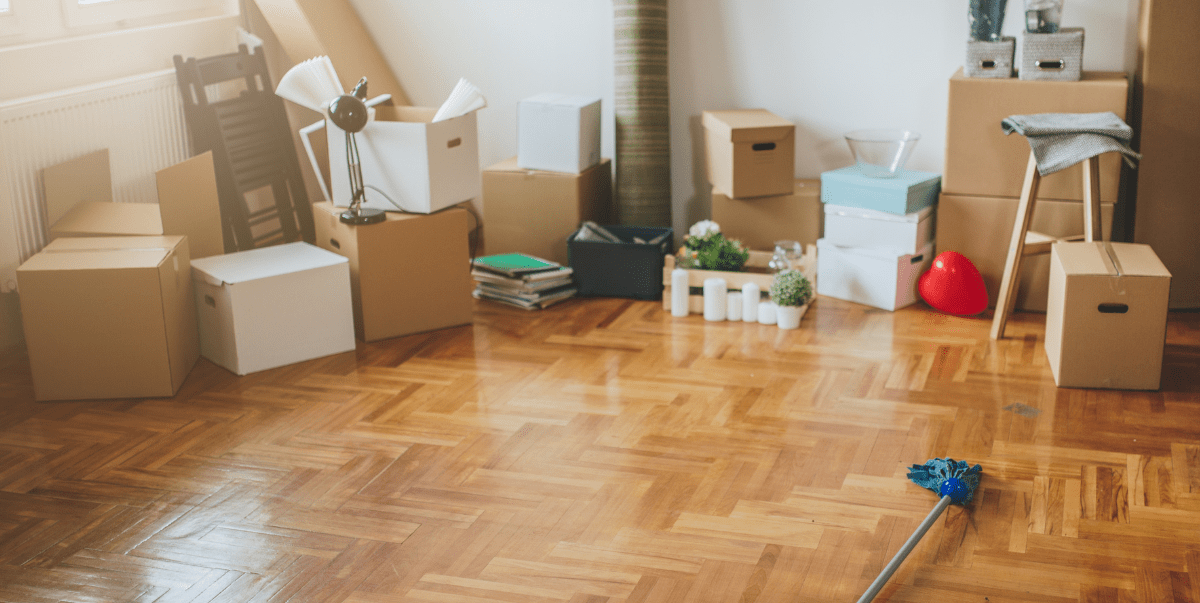
Why Spring Cleaning Can Be Emotional
Decluttering can trigger unexpected emotions.
This is especially true in families where objects symbolize love, sacrifice, and memories.
Letting go of items may bring up thoughts such as:
-
“What if I need this someday?”
-
“My mother gave this to me.”
-
“This reminds me of when the kids were small.”
For older adults, belongings can also represent a sense of identity and control.
This is why conversations about decluttering should be handled with care and respect.
Helping Filipino Families Declutter With Compassion
If you want to help parents or relatives simplify their homes, the goal should not be to force change.
Instead, focus on understanding and collaboration.
Start With Stories
Before suggesting that something be thrown away, ask about it.
Questions like:
-
“Where did you get this?”
-
“Who gave this to you?”
-
“What memory does this remind you of?”
Sometimes simply acknowledging the story behind the item makes it easier to let go.
Focus on Safety and Comfort
Instead of saying “You have too much stuff,” try framing it differently.
For example:
-
“Let’s make more space so the house feels lighter.”
-
“We want the home to be safer and easier to move around.”
This shifts the conversation from loss to improvement.
Digitize Memories
Not every memory needs to be stored physically.
Consider:
-
Scanning old photos
-
Taking pictures of sentimental items
-
Creating digital family albums
This allows families to keep the memory while freeing up physical space.
Create a “Memory Box”
For highly sentimental items, consider keeping a single memory box.
Each family member can choose a few meaningful items to keep.
This approach allows people to preserve memories while avoiding excessive clutter.
A Healthy Balance Between Letting Go and Honoring Memories
Decluttering doesn’t mean abandoning culture or forgetting family history.
In fact, spring cleaning can become an opportunity to revisit stories, traditions, and memories.
Instead of seeing decluttering as loss, it can become a way to:
-
Preserve what truly matters
-
Let go of what no longer serves the family
-
Create a more peaceful living environment
For many Filipino families, the goal is not a minimalist home—but a home that holds meaning without becoming overwhelming.
Final Thoughts
If you’ve ever struggled to throw something away, you’re not alone.
For many Filipinos, objects are tied to family, sacrifice, and shared history. Understanding this cultural perspective can help families approach spring cleaning with patience, empathy, and appreciation.
Decluttering isn’t about getting rid of the past—it’s about making space for the present while honoring the memories that shaped us.
_______________________________________________________________________________________________________
Disclaimer: The information provided in this blog is for general informational and educational purposes only. It is based on a combination of industry research, experiences, and opinions, and may not reflect all available information. While we strive for accuracy, we do not guarantee the completeness or reliability of any content presented. This material does not constitute financial, legal, or tax advice. Readers should consult with a qualified professional regarding their individual situation. Financial Rescue does not guarantee any specific results or outcomes.