

Introduction
For many Filipino-American families in the United States, building a better life often comes with financial pressure that isn’t always visible on the surface. Between supporting loved ones, managing rising living costs, and handling unexpected expenses, it’s easy for debt to quietly build up over time.
Credit cards are often used as a short-term solution—but when balances start growing faster than they can be paid down, stress follows quickly. What begins as manageable spending can turn into long-term financial strain.
If this sounds familiar, you’re not alone. Many families are facing similar challenges, and for some, exploring options like debt settlement becomes an important step toward financial relief.
In this article, we’ll break down why credit card debt is so common in Filipino-American households—and what can actually help break the cycle.
Understanding the Debt Challenge in Filipino-American Households
Debt is not just about spending habits—it’s often tied to lifestyle, culture, responsibility, and unexpected life circumstances.
Strong Family Support Responsibilities
One of the biggest financial pressures comes from the cultural value of family support.

Common situations include:
- Sending money to family overseas
- Supporting parents or relatives in the Philippines
- Helping siblings or extended family financially
While this is rooted in care and responsibility, it can stretch budgets thin over time, leading to reliance on credit cards.
High Cost of Living in the U.S.
Many Filipino-American families live in states with high living costs such as California, New York, and New Jersey.
Expenses that contribute to debt buildup:
- Rent or mortgage payments
- Healthcare costs
- Childcare and education
- Transportation and utilities
When expenses rise faster than income, credit cards often fill the gap.
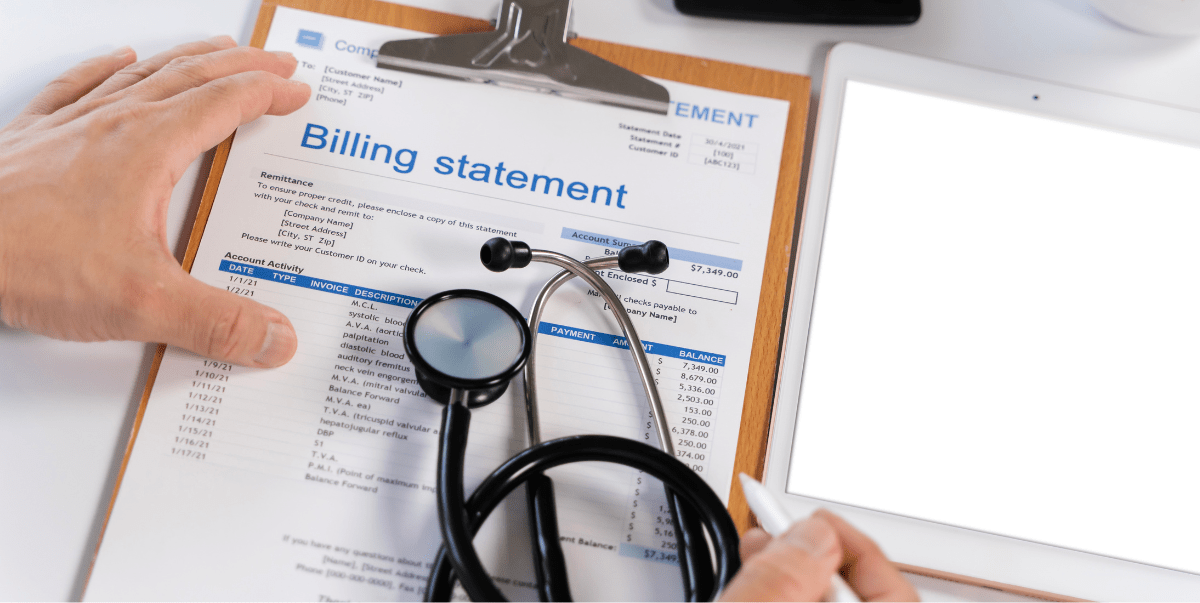
Emergency Expenses and Lack of Savings
Unexpected events can quickly push families into financial strain.
Examples include:
- Medical emergencies
- Job loss or reduced hours
- Car repairs or home maintenance
Without an emergency fund, many turn to credit cards as a safety net.
Limited Financial Education or Planning Tools
Not everyone has access to financial education early on, especially for managing credit in the U.S.
Common gaps include:
- Not fully understanding interest accumulation
- Relying heavily on minimum payments
- Lack of structured budgeting systems
This often leads to long-term debt cycles without realizing the full impact.
“Swipe Now, Worry Later” Credit Culture
Credit cards are widely used in the U.S., and it’s easy to fall into convenience spending.
Warning signs:
- Using credit for daily essentials
- Multiple active credit cards
- Carrying balances month to month
Over time, interest compounds and balances grow faster than expected.
The Real Impact of Credit Card Debt
Debt is not just financial—it also affects emotional and mental well-being.
Financial Stress
- Difficulty keeping up with bills
- Constant worry about due dates
- Feeling “stuck” financially
Emotional Pressure
- Anxiety when opening statements
- Avoiding financial conversations
- Feeling guilty or overwhelmed
Family Impact
- Reduced ability to save for the future
- Delayed goals like homeownership
- Stress affecting household relationships
What Actually Helps Break the Cycle of Debt?
There is no single solution, but there are structured ways to regain control.
Creating a Clear Financial Snapshot
Start by understanding your full financial picture:
- Total credit card balances
- Monthly income vs. expenses
- Interest rates and minimum payments
Awareness is the first step toward change.
Adjusting Spending Habits Strategically
Small changes can make a big difference:
- Reduce non-essential expenses
- Avoid adding new credit card balances
- Prioritize high-interest debt
Exploring Debt Settlement as an Option
For families overwhelmed by unsecured debt, debt settlement may be a structured path forward.
How it works (simple overview):
- Negotiating reduced balances with creditors
- Paying a lower agreed-upon amount
- Working toward becoming debt-free faster than minimum payments alone
Why some families consider it:
- Monthly payments feel unmanageable
- Debt continues to grow despite payments
- Need for a structured resolution plan
Building a Realistic Recovery Plan
Debt relief is not just about reducing balances—it’s about rebuilding stability.
Focus areas:
- Emergency savings (even small amounts)
- Credit rebuilding strategies
- Financial education and planning
Real-Life Example (Relatable Scenario)
Jose and Maria, a Filipino-American couple in California, had over $30,000 in combined credit card debt after medical expenses and rising household costs.
They were making payments every month, but the balances barely changed.
After exploring debt settlement:
- They reduced their total balances through negotiations
- Consolidated payments into a structured plan
- Gradually regained financial control over time
While the process required discipline, it helped them move from constant stress to a clearer financial path.
Key Takeaways
- Credit card debt is often caused by a combination of lifestyle, responsibility, and unexpected expenses
- Many Filipino-American families experience similar financial pressures
- Debt does not mean failure—it means a strategy needs to change
- Structured solutions like debt settlement can provide a path forward for some situations
Final Thoughts
Financial pressure is something many families quietly carry—but it doesn’t have to stay that way. Understanding why debt happens is the first step toward breaking the cycle.
With the right support, education, and strategy, it is possible to move from financial stress toward stability and confidence again.
Call to Action
If you’re feeling overwhelmed by credit card debt or unsure where to start, you don’t have to figure it out alone.
Contact us today for a free consultation to review your situation and explore whether debt settlement may help you regain financial control. We’re here to provide guidance, clarity, and real options—no pressure, just support.
Disclaimer: The content provided is for informational purposes only and should not be interpreted as financial, legal, or tax advice. Information is derived from multiple sources deemed reliable but is not guaranteed for accuracy or completeness. Financial Rescue does not assume liability for any actions taken based on this content. Outcomes may vary depending on individual circumstances. Please consult with a qualified professional before making financial decisions.
Financial Rescue LLC is a marketing service provider for Debt Resolution companies and law firms. Some programs and services may not be available in all 50 U.S. States. The information provided is for informational purposes only, no communication should be considered legal advice. Settlement estimates are examples of past performance is no guarantee of future results. Savings are based upon the amount of debt owed at the time of the settlement and exclude fees from services rendered. Individual results may vary based on program terms, ability to save sufficient funds, underwriting guidelines, the creditors in your individual profile, and the willingness of creditors to negotiate. FRLLC does not assume any debt, make monthly payments to creditors or provide tax, bankruptcy, or legal advice. Debt reduction services may have an adverse effect on your credit report. Please read, review and understand all program materials prior to enrollment.